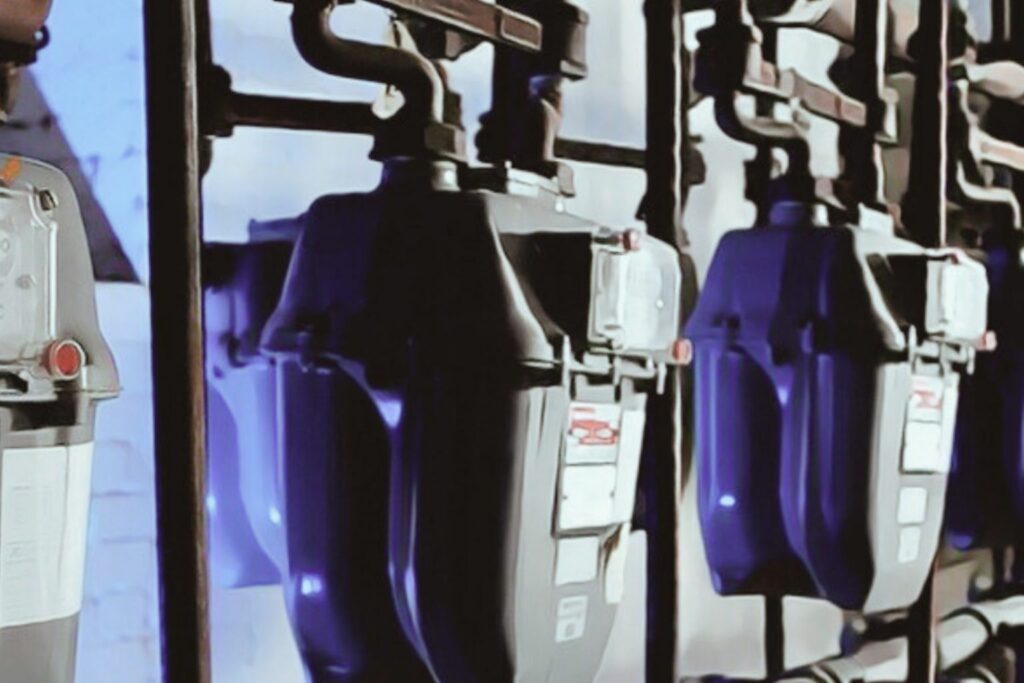
NYC Local Law 157: Natural Gas Detectors Required by January 1, 2027
New York City property owners have an important gas safety deadline approaching. Beginning January 1, 2027, covered residential buildings must have approved natural gas detectors installed in accordance with Local Law 157 and subsequent amendments.
The requirement affects apartment buildings, cooperatives, condominiums, certain private homes, and other residential properties with gas piping.
For owners and property managers responsible for multiple apartments or buildings, understanding the requirements and selecting compliant detectors now can help avoid last-minute purchasing and installation challenges.
Here’s what you need to know, including where to obtain qualifying natural gas alarms through KeepMyGas affiliate partners offering preferred pricing opportunities.
What Is NYC Local Law 157?
Local Law 157 of 2016 established requirements for natural gas detecting devices in New York City residential buildings.
These devices are designed to detect the presence of natural gas and provide an audible warning before gas concentrations reach dangerous levels.
Natural gas detectors provide an additional layer of protection for building occupants by helping identify potentially hazardous conditions that might otherwise go unnoticed.
The law is enforced in residential properties by the NYC Department of Housing Preservation and Development (HPD), while the NYC Department of Buildings (DOB) establishes the technical requirements governing detector standards and installation.
What Is the Deadline for Installing Natural Gas Detectors?
The current compliance deadline is January 1, 2027.
The installation deadline was originally scheduled to take effect earlier. However, the City Council enacted Local Law 102 of 2025 to postpone implementation while addressing the availability of qualifying battery-powered detectors.
The amended law established January 1, 2027 as the installation deadline, subject to a possible further extension if DOB could not identify a sufficient number of manufacturers offering compliant battery-powered alarms.
On June 15, 2026, DOB issued a Service Notice confirming that at least four manufacturers had been identified and that the deadline would not be extended beyond January 1, 2027 under that provision.
The January 1, 2027 deadline is confirmed.
Which Buildings Need Natural Gas Detectors?
Local Law 157 generally applies to residential properties with gas piping, including:
- Multifamily apartment buildings.
- Residential condominium and cooperative buildings.
- One- and two-family homes, subject to applicable ownership and occupancy provisions.
- Hotels, lodging houses, and other Class B multiple dwellings.
- Single-room occupancy residential properties.
For most covered apartment buildings, at least one compliant natural gas alarm must be installed in each dwelling unit, with additional requirements depending on the location of gas appliances and piping.
Certain Class B multiple dwellings may use an approved centrally monitored gas detection system instead of individual alarms in each dwelling unit.
Buildings with no gas piping may qualify for an exemption. HPD has established requirements for documenting and requesting applicable exemptions.
Review HPD Notice of Adoption for more information.
Where Must Natural Gas Detectors Be Installed?
Correct placement is essential to compliance.
When a dwelling unit contains a permanent natural gas appliance, such as a stove, the alarm generally must be installed:
- In the same room as the appliance.
- At least 3 feet and no more than 10 feet from the appliance, measured horizontally.
- At the height and location specified by the applicable standards and manufacturer’s instructions.
Additional requirements may apply to apartments located directly above spaces containing gas piping or gas appliances, even when the apartment itself does not have a gas appliance.
Special provisions also apply to certain common areas, centralized mechanical rooms, and buildings with centrally monitored systems.
Property owners should consult the DOB installation requirements and product instructions before determining the number and location of alarms.
Read DOB’s Natural Gas Detection Devices FAQs.
What Type of Natural Gas Detector Is Required?
Not every device marketed as a natural gas detector necessarily meets New York City’s requirements. Property owners should purchase alarms that comply with applicable NYC regulations and are properly listed and labeled to the required safety standards.
Depending on the building and installation, qualifying options may include:
- Battery-powered natural gas alarms.
- Plug-in natural gas alarms.
- Hard-wired natural gas alarms.
- Approved centrally monitored detection systems where permitted.
Battery-powered and plug-in alarms generally may be installed by building owners, maintenance personnel, or occupants. Hard-wired installations and central detection systems may require a licensed electrical contractor and applicable permits.
DOB does not endorse a particular manufacturer or brand. However, in its October 13, 2026 public service announcement, DOB identified several manufacturers offering compliant battery-powered natural gas alarms, including Aware Buildings and Nexelec.
Property owners should confirm that the specific model being purchased meets NYC requirements.
Where Can Property Owners Purchase Compliant Natural Gas Detectors at Preferred Pricing?
KeepMyGas maintains affiliate relationships with two natural gas detector suppliers to help property owners and managers connect directly with companies offering products for NYC Local Law 157 compliance.
Both companies were included in DOB’s October 13, 2026 announcement identifying manufacturers of compliant battery-powered natural gas alarms.
KeepMyGas does not sell, install, inspect, or certify natural gas detectors under Local Law 157. Product selection, pricing, ordering, installation arrangements, and warranty matters are handled directly with the respective suppliers.
Affiliate disclosure: KeepMyGas may receive compensation when purchases or inquiries result from these referral links. Pricing and purchasing terms are established by the suppliers.
F&F Supply Co.
F&F offers two UL 1484-listed natural gas alarms, the Mosuo MOS124-10 and the Denova DD620NV-CTR, both identified by DOB among compliant devices.
Request preferred pricing through KeepMyGas:
Inquire About F & F Natural Gas Alarms – Mosuo MOS124-10 and Denova DD620NV-CTR
Direct contact:
Brian Jacobs, Director of Business Development
Email: bjacobs@ffsupply.com
Phone: 718-542-7322
Aware Buildings
Aware Buildings offers natural gas alarm products, including its NG-101 battery-powered model, which DOB identified among compliant devices.
Request preferred pricing through KeepMyGas:
Inquire About Aware Buildings Natural Gas Alarms
Direct contact:
Jerry Kestenbaum, Founder
Email: jerry@awarebuildings.com
Phone: 917-553-4892
Nexelec
Nexelec offers natural gas detection products, including its VIGAS model, also identified by DOB among compliant battery-powered devices.
Request preferred pricing through KeepMyGas:
Inquire About Nexelec Natural Gas Alarms
Direct contact:
Sam Jones, VP of Sales
Email: sam.jones@nexelec.us
Phone: 329-214-3488
For buildings with multiple apartments or larger portfolios, we encourage owners and property managers to contact the suppliers directly to discuss quantities, product options, availability, and preferred pricing.
What Are the Owner’s Responsibilities Under Local Law 157?
Purchasing compliant detectors is only one part of the requirements. Depending on the building type, owners are also responsible for:
- Providing and installing the required alarms.
- Ensuring proper placement and operation.
- Providing required notices to occupants.
- Maintaining appropriate installation records.
- Replacing detectors when they reach the end of their useful life or otherwise require replacement.
Occupants also have responsibilities, including routine testing and maintenance of applicable devices.
Visit HPD’s official detector information page.
What Is the Difference Between Local Law 157 and Local Law 152?
Although both laws address natural gas safety in New York City buildings, they establish different compliance requirements.
| Local Law 157 | Local Law 152 | |
| Primary purpose | Natural gas leak detection and occupant warning | Periodic inspection of building gas piping systems |
| Main requirement | Installation of approved natural gas alarms | Facilitation of Inspection and Inspection Certification |
| Principal enforcement agency | HPD – Housing Preservation and Development | DOB – NYC Department of Buildings |
| Compliance schedule | January 1, 2027 installation deadline | January 1, 2020 with a recurring four-year inspection cycle |
| KeepMyGas involvement | Educational information and affiliate referrals | Facilitation of gas piping inspections and compliance requirements |
Frequently Asked Questions
Is January 1, 2027 definitely the installation deadline?
Yes. DOB confirmed the January 1, 2027 deadline in its June 15, 2026 Service Notice after identifying the required number of compliant battery-powered alarm manufacturers.
Does every apartment need a natural gas detector?
In covered residential buildings, natural gas alarms are generally required in dwelling units. Exact placement and any additional alarm requirements depend on gas appliances, piping locations, and applicable code provisions.
Can a building superintendent or maintenance employee install the detectors?
Battery-powered and plug-in natural gas alarms may generally be installed by building owners, maintenance personnel, or occupants. Hard-wired alarms and central systems have additional installation requirements.
Does a building without gas piping need detectors?
Buildings with no gas piping may qualify for an exemption from the natural gas detector requirements. Owners should review the final NYC rule governing compliance with LL157 rather than simply assuming no action is necessary.
Do Local Law 157 gas detectors replace carbon monoxide detectors?
No. Natural gas detectors and carbon monoxide detectors serve different purposes. Combination devices may be permissible when they satisfy all applicable product and installation requirements.
Does KeepMyGas install natural gas detectors?
No. KeepMyGas specializes in Local Law 152 gas piping inspections and related compliance services. We provide information about Local Law 157 as a resource to building owners and property managers and offer referral links to established suppliers of qualifying natural gas detection products. Purchasing and product-related inquiries should be directed to the suppliers.
Official NYC Local Law 157 Resources
For the latest information and technical requirements, consult these official City resources:
- Local Law 157 of 2016
- Local Law 102 of 2025
- DOB June 15, 2026 Service Notice
- DOB Natural Gas Detection Devices FAQs
- HPD Detector Requirements and Rule Amendments
- DOB October 13, 2026 Natural Gas Detector Announcement
Need Assistance With Local Law 152?
While Local Law 157 requires natural gas detectors, Local Law 152 requires periodic gas piping inspections for most covered NYC buildings.
KeepMyGas specializes in Local Law 152 gas piping inspections and compliance. If your property is due for a Local Law 152 inspection, we can help you understand the requirements and arrange the necessary inspection.